
 Store
StoreEnergy Solutions Case Study · Bryn Mawr, Pennsylvania
Bryn Mawr College HVAC Controls Modernization
The HVAC controls modernization at Bryn Mawr College created a networked building-controls environment across a 50-building, 120-acre campus while preserving useful existing infrastructure. The HVAC controls modernization retained approximately 3,000 existing control points, added campus-wide monitoring and supported demand-response participation during the documented project period.
The Campus HVAC Controls Challenge
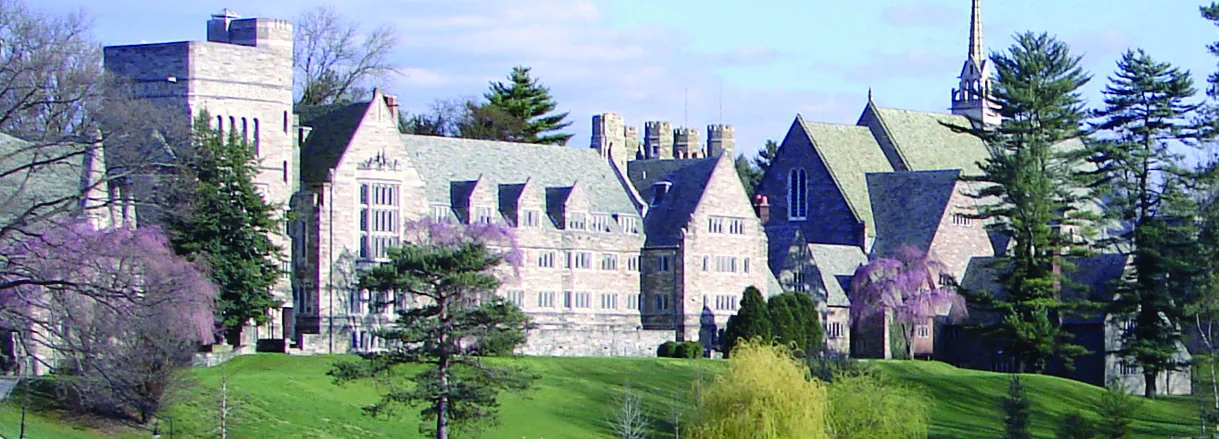
Bryn Mawr College wanted to replace an aging DOS-based HVAC controls environment while preserving existing infrastructure that remained useful.
The campus also needed a practical way for building systems to communicate without installing extensive new hard wiring or fiber through masonry construction.
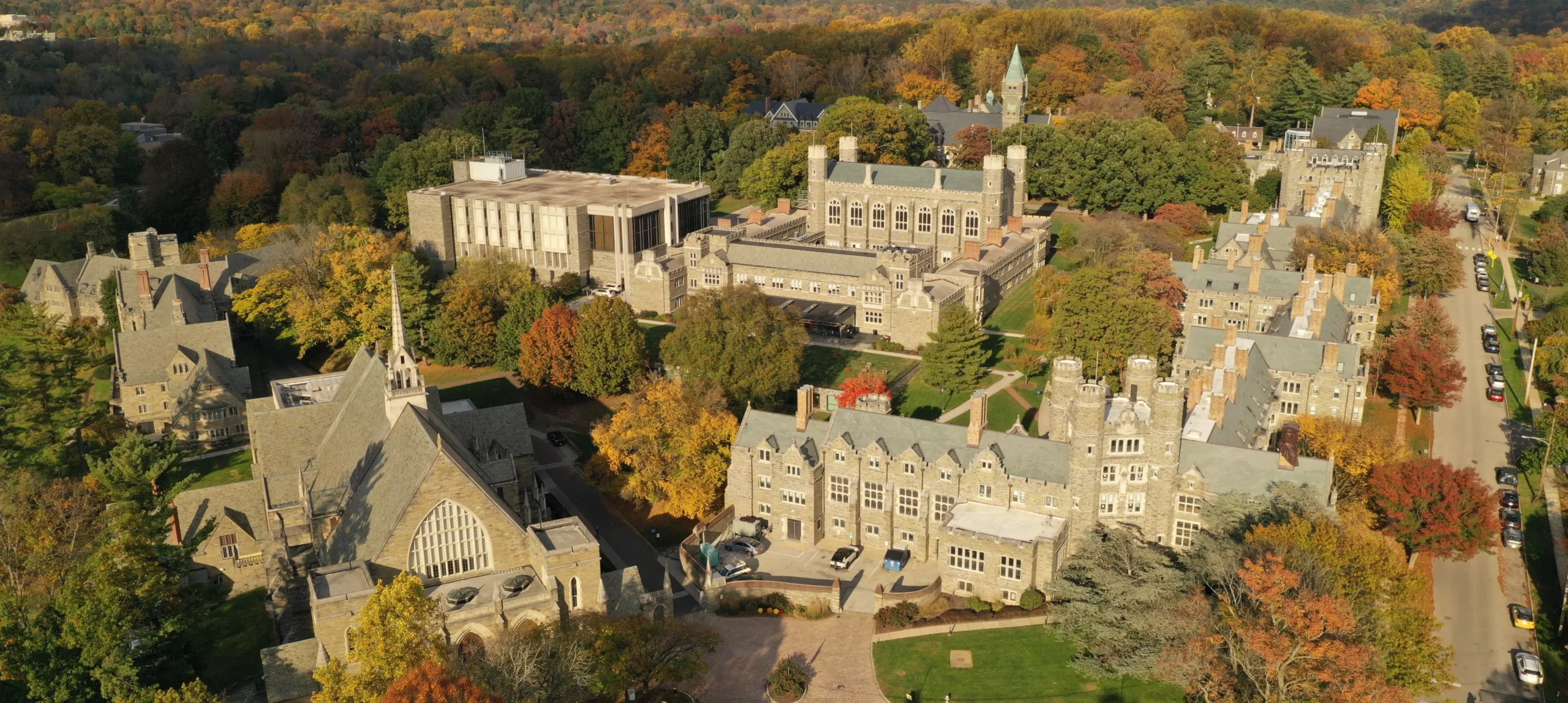
That challenge extended across a 120-acre campus containing 50 buildings. The modernization needed to work across multiple facilities while accommodating different existing controls and equipment.
In addition, the college needed to stage the work around available funding. Therefore, the controls platform had to remain flexible enough to support a phased transition rather than requiring a complete campus-wide replacement at one time.
A Staged HVAC Controls Modernization Approach
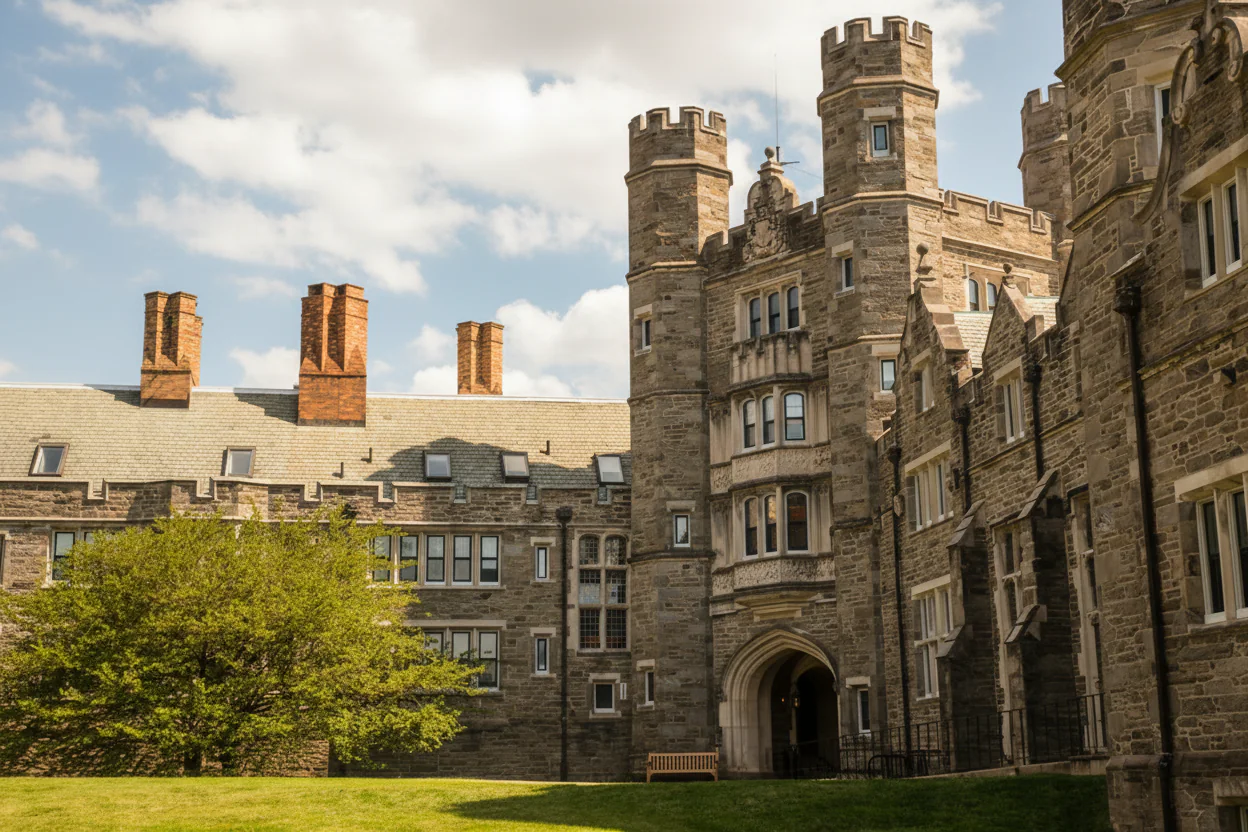
The college selected a Windows-based American Auto-Matrix controls platform that could communicate with existing equipment.
That compatibility was important because it allowed approximately 3,000 installed control points to remain in service while controllers were replaced throughout the five-year modernization plan.
The Tustin Group took over system installation and integration after difficulties earlier in the project. Tustin then configured the platform around the college’s operating requirements and staged implementation across the campus.
Rather than discarding usable infrastructure, the project combined existing control points with newer networked capabilities. As a result, Bryn Mawr could modernize its controls environment while preserving portions of its previous investment.
Learn more about The Tustin Group’s commercial energy solutions for building automation, monitoring, controls integration and energy-management applications.
Campus-Wide Communication Without Extensive New Network Cabling
Connecting controls across existing campus buildings presented another challenge.
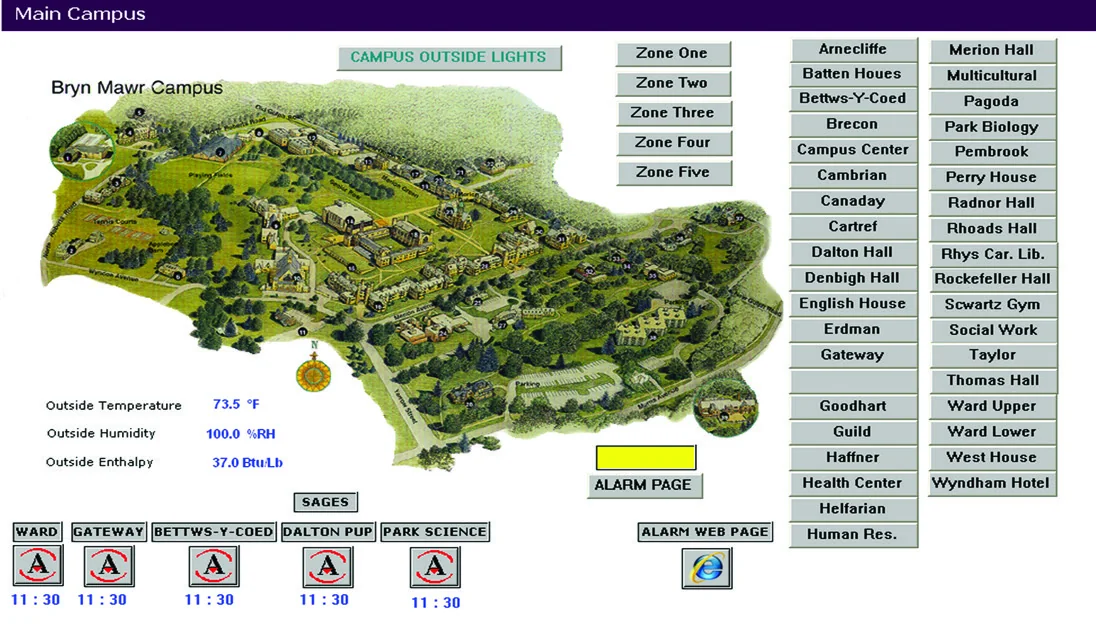
Tustin worked with a local software company on a wireless approach that used the college’s existing campus network to connect building systems.
This strategy avoided the need to route extensive new network cabling through cinderblock, plaster and brick walls.
The resulting interface allowed college mechanics to review building conditions, diagnose problems and adjust operating parameters from computers connected to the campus network.
Consequently, facilities personnel gained a more centralized way to oversee HVAC operating conditions across multiple campus buildings.
Greater Building Visibility for Facilities Personnel
A networked controls environment can provide more value than simply replacing older hardware.
At Bryn Mawr College, the integrated system gave facilities personnel access to building conditions and operating parameters from computers on the campus network.
This visibility supported faster investigation of comfort complaints and allowed mechanics to manage assigned building zones more efficiently, according to statements documented in the original case study.
Instead of relying solely on localized controls, staff could use the networked interface to evaluate conditions across multiple buildings.
For additional information about HVAC, building automation, energy management and facility operations, explore The Tustin Group’s News & Trends resource center.
Reported Operational Results
According to the original project case study, Bryn Mawr College increased its cooled square footage by 16% during the modernization period without a significant increase in energy consumption or facilities staff.
College facilities personnel also reported faster responses to occupant complaints and an improved ability for mechanics to manage their assigned building zones.
These reported outcomes illustrate how centralized controls and greater system visibility supported day-to-day campus operations during the documented project period.
Measurement caveat: These outcomes are historical results and statements reported by Bryn Mawr College facilities personnel in the original project case study. The source does not provide an independent energy audit, underlying utility-consumption dataset, audited kWh savings, independently verified dollar savings or sufficient measurement data to calculate a verified energy-performance result. These historical results should not be interpreted as guaranteed outcomes for other facilities.
Using Connected Building Controls for Demand Response
Once the integrated controls platform was established, The Tustin Group customized software that connected the system to the demand-response provider used by Bryn Mawr College at that time.
Facilities personnel could review market information, select appropriate loads and adjust temperature set points or equipment schedules without disrupting campus operations.
This capability gave the college another way to use its connected building controls as part of its broader energy-management strategy.
The original source reports that one year of demand-response program revenue helped fund campus conservation initiatives.
Those initiatives included a windmill demonstration, lighting for incoming students, a carbon-footprint study and heating improvements in three dormitories.
However, the original case study does not provide an exact revenue amount. It also does not establish that the historical demand-response arrangement remains active today.
Why Phased HVAC Controls Modernization Can Matter on Existing Campuses
College and institutional campuses often contain buildings constructed during different periods and equipped with different generations of mechanical and control systems.
For that reason, replacing every controller, network connection and control point at once may not always be practical.
A staged modernization strategy can allow facility teams to prioritize infrastructure, work within available budgets and preserve compatible equipment where appropriate.
The Bryn Mawr project demonstrates this approach. Approximately 3,000 existing control points remained in service while the college transitioned to a newer networked environment over several years.
The result was an incremental modernization strategy built around existing campus conditions rather than a complete one-time replacement.
How Did the HVAC Controls Modernization Improve Campus Operations?
The project combined several improvements rather than relying on a single technology.
First, the updated controls platform incorporated thousands of existing control points.
Second, the campus network helped connect building systems without requiring extensive new network cabling through existing masonry construction.
Third, facilities personnel gained network-based access to building conditions and operating parameters.
Finally, the connected platform supported the college’s historical participation in demand response.
Together, these capabilities created a more integrated controls environment across the Bryn Mawr College campus.
Bryn Mawr College HVAC Controls FAQs
Where was the Bryn Mawr College controls project completed?
The project was completed across Bryn Mawr College’s approximately 120-acre campus in Bryn Mawr, Pennsylvania.
How many campus buildings were included?
The original case study documents a campus containing 50 buildings.
How many existing control points were retained?
Approximately 3,000 existing control points remained in service as controllers were replaced during the staged modernization.
How long did the controls modernization take?
The modernization was structured as a five-year program beginning in 2003.
What controls platform was used?
The college selected a Windows-based American Auto-Matrix controls platform that could work with existing equipment and control points.
Did the project require extensive new network cabling?
The project used a wireless approach that leveraged the college’s existing campus network. According to the case study, this avoided the need to route extensive new network cabling through cinderblock, plaster and brick walls.
Could facilities staff monitor building conditions remotely?
Facilities personnel could review building conditions, diagnose issues and adjust operating parameters from computers connected to the campus network.
What operational improvement did the college report?
The original case study reports that cooled square footage increased by 16% without a significant increase in energy consumption or facilities staff during the modernization period.
Did the controls system support demand response?
Yes. The Tustin Group customized software that connected the controls platform to the demand-response provider used by the college at that time.
Does the case study document audited energy savings?
No. The source includes operational statements from college personnel but does not provide an independent energy audit, underlying utility-consumption dataset, audited kWh savings or independently verified dollar-savings total.
Planning an HVAC Controls Modernization?
Campus and institutional controls projects may require staged integration, compatibility with existing infrastructure, network connectivity and clear visibility across multiple buildings.
Talk with The Tustin Group about building automation, controls integration, remote monitoring and energy-management strategies for your commercial or institutional facilities.