 Store
StoreEnergy Solutions Case Study · Atlantic City, New Jersey
Pepco Central Plant Optimization: 5.37 Million kWh in Reported Electric Savings
The central plant optimization project at Pepco Energy Services’ Midtown Thermal Control Center in Atlantic City, New Jersey, focused on improving how a 16,200-ton chilled-water plant operated as one integrated system. This central plant optimization effort established a defensible performance baseline, worked through the plant’s existing control system, and produced 5,370,000 kWh in reported electric savings during the documented measurement period.
The Central Plant Challenge
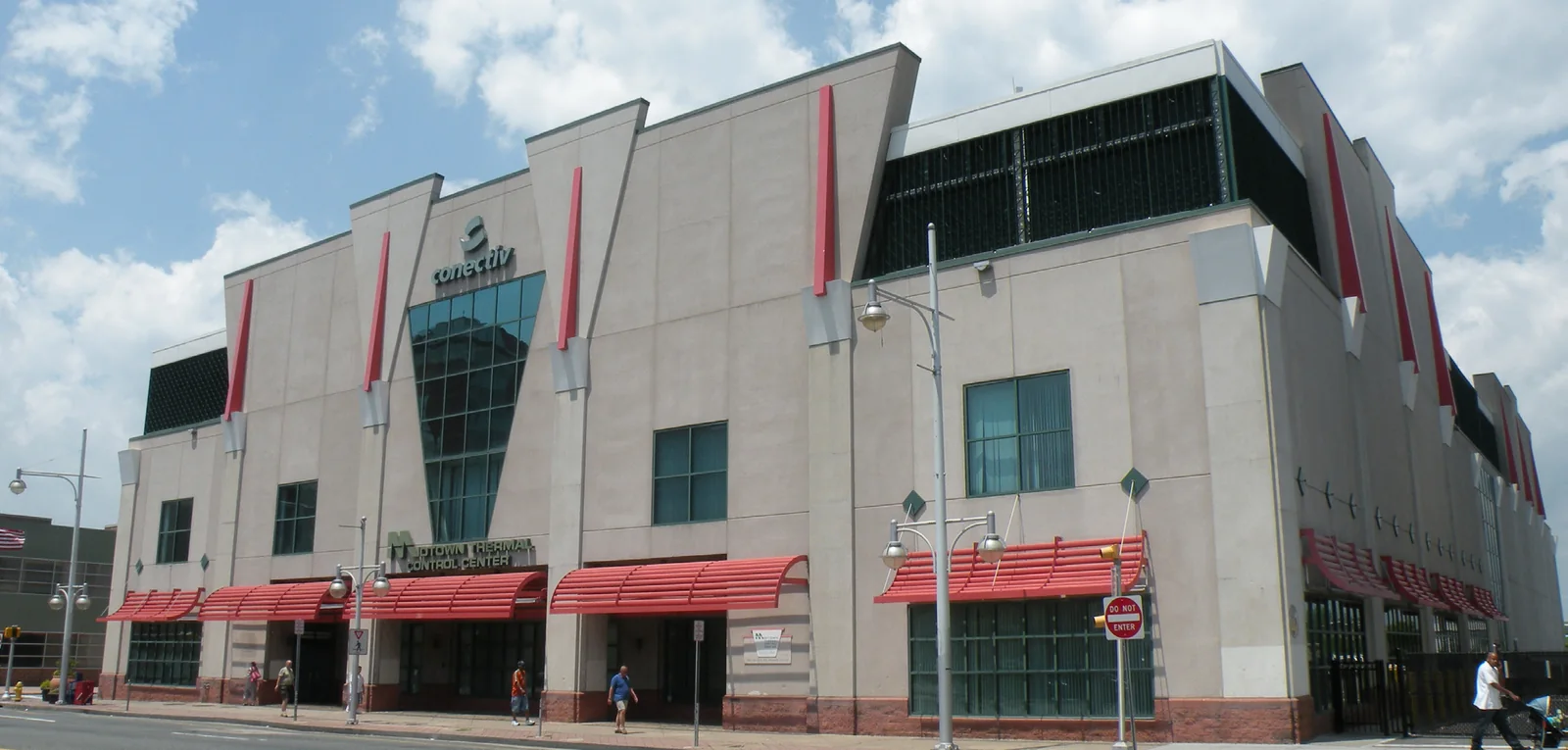
The Midtown Thermal Control Center operated 24 hours a day, 365 days a year, with approximately 40,000 GPM of pumping capacity. The 16,200-ton plant included 14 chillers and supported substantial chilled-water production requirements.
Over time, the facility’s equipment and controls had been modified and were operating more like independent components than one coordinated plant.
The project team determined that the strongest opportunity was not simply to replace individual pieces of equipment. Instead, the goal was to improve how the entire chilled-water production system operated together.
Building a Defensible Performance Baseline
For more than 10 months in 2012, the plant team and Tustin Energy Solutions collected, reviewed, and validated operating data.
The work included reviewing previous electric bills and upgrading flow and temperature transmitters. These improvements helped establish a more accurate baseline against which the proposed optimization measures could be evaluated.
Creating a defensible baseline was an important part of the project because it provided a documented reference point for measuring changes in plant performance.
The Central Plant Optimization Approach
The project customized central plant optimization software to sequence the chilled-water plant as an integrated system rather than a collection of independent components.
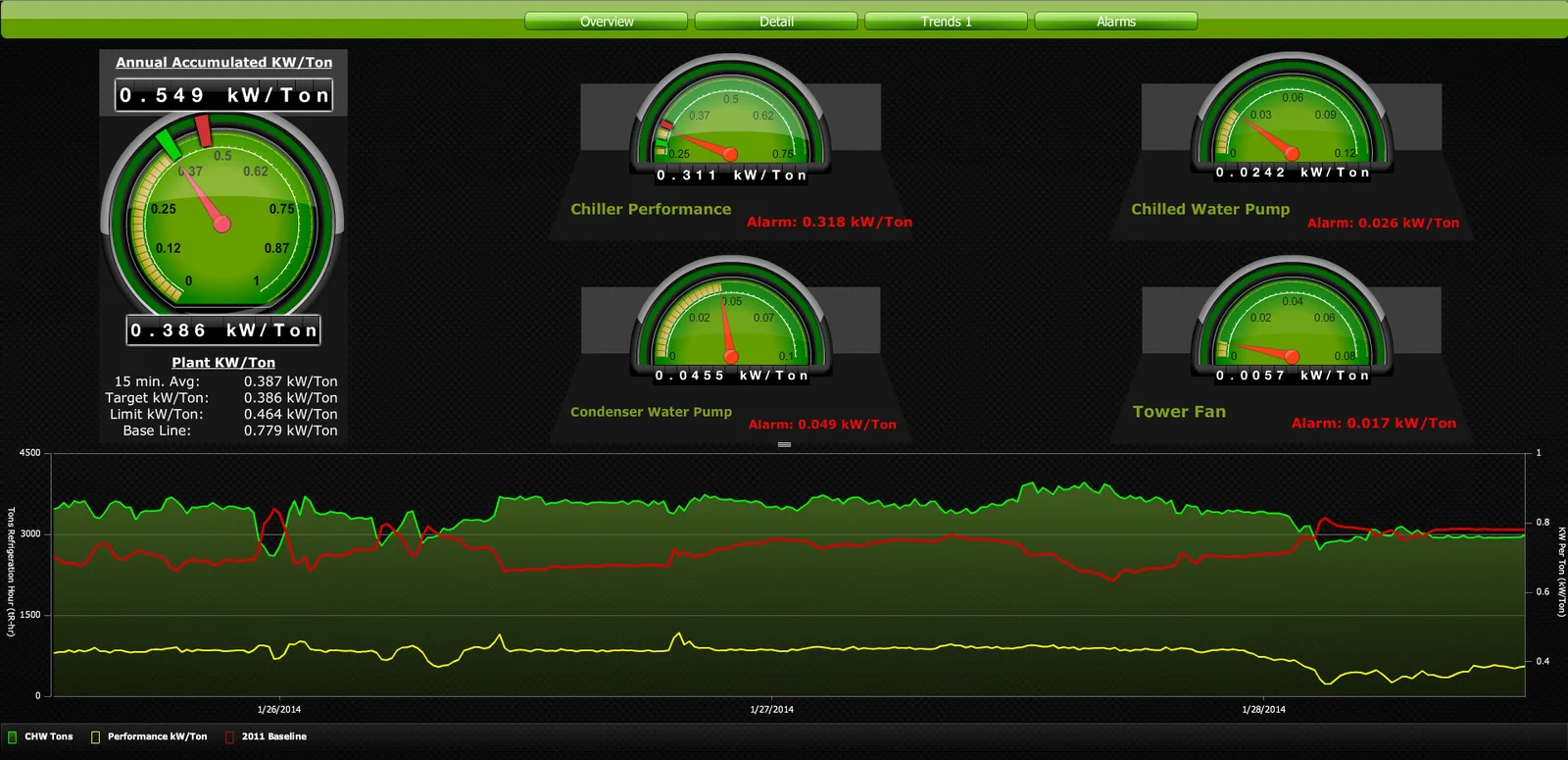
An onsite optimization server worked with the existing Allen-Bradley Rockwell plant control system. The server processed current and historical operating data and sent optimized operating strategies back to the controls.
The Tustin Group also upgraded selected motor starters and critical instruments needed to support the optimization strategy.
Continuous feedback gave plant operators greater visibility into system performance. In addition, the available operating data supported faster identification of faults and more informed operational adjustments.
Learn more about The Tustin Group’s commercial energy solutions for building controls, energy management, monitoring, and performance optimization.
How the Existing Plant Controls Supported Optimization
A significant part of the project involved working with the facility’s existing control infrastructure rather than treating each chiller, pump, or cooling tower as an isolated asset.
The onsite optimization server communicated with the Allen-Bradley Rockwell control system and used operating information from across the plant. This allowed the optimization strategy to consider how multiple components performed together.
As a result, operators received a broader view of plant performance and could use current and historical information when evaluating operating conditions.
Reported Central Plant Optimization Results
The optimization project was completed in 2013. According to the original project case study, the plant recorded total electric savings of 5,370,000 kWh from October 1, 2013, through July 31, 2014.
The original case study also reports a nearly 25% improvement in operating efficiency and a $500,000 rebate through New Jersey’s SmartStart Buildings program.
These figures are historic results reported in the original project case study. They are not current operating data, projections, or guaranteed results for other central plants or commercial facilities.
Why Central Plant Performance Visibility Matters
Large chilled-water plants contain multiple pieces of equipment that must operate together. Therefore, evaluating individual components alone may not provide a complete picture of overall plant performance.
In this project, validated operating data, upgraded instrumentation, controls integration, and continuous feedback gave operators greater visibility into the performance of the complete chilled-water system.
That same principle also supports broader strategies such as predictive maintenance , where equipment and operating data can help facility teams identify changes in system performance.
Central Plant Optimization FAQs
Where was the Pepco central plant optimization project completed?
The project took place at Pepco Energy Services’ Midtown Thermal Control Center in Atlantic City, New Jersey.
How large was the central chiller plant?
The documented plant had approximately 16,200 tons of cooling capacity across 14 chillers and approximately 40,000 GPM of pumping capacity.
How much electricity did the project reportedly save?
The original case study reports electric savings of 5,370,000 kWh from October 1, 2013, through July 31, 2014.
How much did operating efficiency reportedly improve?
According to the original case study, operating efficiency improved by nearly 25% during the documented project period.
Did the project replace the existing plant control system?
The project used an onsite optimization server that worked with the existing Allen-Bradley Rockwell plant control system. The optimization software processed plant data and returned optimized operating strategies to the controls.
Was a New Jersey energy rebate reported?
Yes. The original project case study reports a $500,000 rebate through the New Jersey SmartStart Buildings program.
What work did The Tustin Group perform?
The documented scope included baseline development, flow and temperature transmitter upgrades, plant-wide sequencing and optimization, integration with existing controls, selected motor starter and instrumentation upgrades, and continuous monitoring and operator feedback.
Planning a Central Plant Optimization Project?
Commercial central plants depend on coordinated controls, accurate instrumentation, reliable operating data, and clear performance visibility.
Talk with The Tustin Group about baseline development, controls integration, monitoring, chilled-water plant optimization, and long-term energy performance.