
 Store
StoreSouth Jersey, New Jersey · Mechanical Services
Occupied-Building Chiller Replacement in South Jersey
Plan the cooling transition before the equipment leaves the building.
What this service does
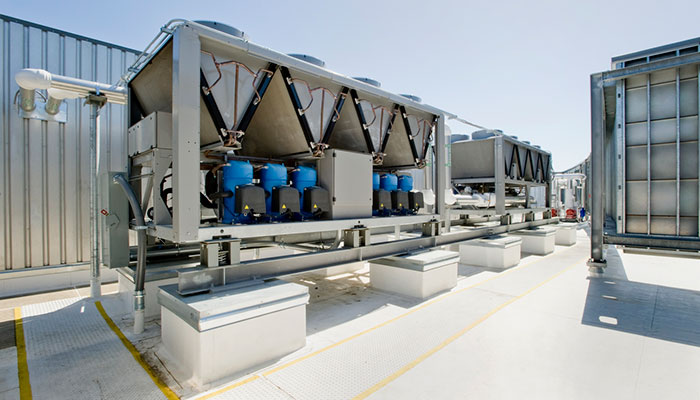
South Jersey chiller replacement for an occupied facility starts with the cooling load that must remain available during the work. The plan may combine temporary cooling, phased isolation, piping modifications and controls verification. The Tustin Group’s NFL Films project in Mount Laurel documents temporary cooling followed by replacement chillers and building automation integration.
When this service is needed
Repeated trips, major component failures, difficult parts sourcing and loss of available backup capacity can make replacement planning urgent. Facility teams should distinguish a repairable equipment fault from a plant that can no longer support the required operations. Production, specialized storage and occupied spaces may need different temperature limits and restoration priorities.
Who this is for: Facility managers, operations directors and owners of occupied commercial or institutional buildings.
Local conditions that shape the work
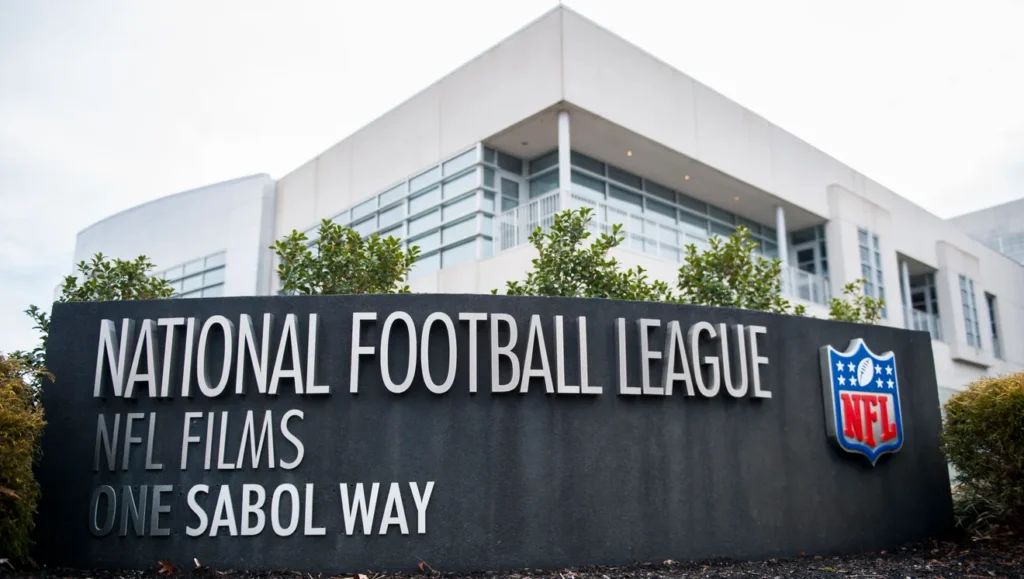
At NFL Films in Mount Laurel, cooling supported studio operations and film preservation. That South Jersey example shows why the business process matters as much as chiller size. For a new project, identify summer demand, any year-round process loads, rental-equipment access, delivery routes and permitted working hours before choosing a changeover window. Moving work to a cooler month does not remove cooling needs from every facility.
Local evidence: Mount Laurel cooling-continuity example.
Planning South Jersey chiller replacement
The following scope framework connects Tustin’s published capabilities with facility planning questions. The final service agreement and technical review determine the work for an individual site.
Protect loads
Identify spaces that cannot lose cooling and agree on escalation responsibilities.
Survey the plant
Review equipment condition, piping, pumps, electrical capacity and existing controls.
Compare options
Evaluate repair, staged replacement and temporary capacity against operational requirements.
Plan the changeover
Confirm isolation, connections, delivery access, lifting, power and contractor coordination.
Start and integrate
Commission equipment with the pumping and control sequences that serve the building.
Verify and maintain
Record operating checks, open items, operator training and the maintenance plan.
- 1. Required loadsOccupied and critical spaces
- 2. Available coolingExisting or temporary plant
- 3. Water distributionPumps, valves and piping
- 4. Controls and verificationSequence, alarms and measured response
Conceptual planning diagram. Temporary equipment capacity and redundancy are engineered for the actual facility; no uninterrupted-operation guarantee is implied.
| Condition | Operational concern | Next step |
|---|---|---|
| One chiller out of service | Remaining capacity may not cover critical loads | Confirm available capacity and the temporary-cooling plan. |
| Replacement selected only by nameplate size | Actual loads and operating conditions may be missed | Review load information and the full plant configuration. |
| New chiller, old control sequence | Pumps and equipment may not operate as intended | Include startup, integration and functional verification in the scope. |
A facility planning example
Illustrative planning scenario: a South Jersey commercial campus must replace an unreliable chiller while tenants remain onsite. The facilities team defines priority loads, surveys temporary connections and approves a changeover sequence. Equipment removal begins only after the required cooling arrangement and operating responsibilities have been checked. This scenario is a planning example, not a claim that any site can avoid downtime.
Evidence behind the service
Customer and project evidence
At NFL Films in Mount Laurel, Tustin installed temporary cooling after a failure, then two 450-ton replacement chillers with associated piping, startup and BAS integration. The source reports a historical 10–12% reduction in monthly electricity consumption. That customer-reported result belongs to this project and is not an expected saving for another building.
Field and operator evidence
The NFL Films record documents piping, startup and controls integration as part of the delivered work. Tustin’s published safety approach describes project risk reviews and crew coordination. Those sources support technical delivery experience; they are not a current technician endorsement of this draft.
[FIELD EXPERT INPUT: A Tustin mechanical project lead should validate temporary-connection, isolation and changeover checkpoints and approve a recent field lesson with project context.]
Prepare for the first service discussion
- Equipment model, service history and recent failure reports
- Cooling requirements and allowable interruptions for each critical area
- Available drawings, electrical information and water-side operating records
- Delivery and lifting access, temporary-equipment placement and operating contacts
Prevention and coordinated building services
Keep the existing plant’s condition and service history current while planning replacement. Include pumps, water treatment and BAS interfaces in scope discussions; replacing the chiller does not correct every distribution or control problem. Trane’s rental-service guidance identifies temporary cooling as an option for planned work and emergencies. Availability, connections and responsibilities still require a site-specific agreement.
Local service coordination
Tustin’s New Jersey service page identifies South Jersey support from West Berlin and documents its Mount Laurel work. Share the facility address and operating constraints to confirm the team, schedule and equipment scope for your site.
Questions facility teams ask
Can the building stay occupied during replacement?
Often occupancy can be accommodated with a properly scoped sequence, but cooling interruptions and access restrictions must be evaluated. Confirm which spaces need temporary support and communicate the agreed work windows.
Does every replacement need a rental chiller?
No. Existing capacity, season, critical loads and the duration of isolation determine whether temporary equipment is needed. A rental unit also requires suitable connections, power, placement and operating oversight.
What determines replacement cost?
Equipment is only part of the scope. Include piping, electrical changes, lifting, access, temporary cooling, controls integration, water treatment, commissioning and disposal. Request a written scope that identifies exclusions.
Should a failed compressor be repaired first?
Compare the fault, equipment condition, parts availability, remaining capacity and long-term operating needs. A targeted repair can be appropriate, while repeated failures or insufficient supportability may justify replacement.
How long will the changeover take?
A schedule follows the survey, equipment selection and access plan. Distinguish procurement time from onsite installation and from final acceptance. Do not assume a single shutdown window covers the entire project.
What should startup verification include?
The agreed checks should cover equipment operation, water flow, pump and valve sequencing, BAS points, alarms and operator access. Follow equipment requirements and record findings for future maintenance.
Are the NFL Films savings typical?
The reported 10–12% monthly electricity reduction is a historical result for that facility. It cannot predict a new project. A new savings estimate needs its own baseline, proposed design and measurement approach.
Start with your facility’s operating needs
Send the site address, systems involved, current concern and preferred work window. The Tustin Group can review the appropriate service scope with your team.
Related services and project records
Source review: September 22, 2026. Scenarios are illustrative. Historical project results are labeled in context. No price, savings, response-time or compliance guarantee is made.