
 Store
StoreMechanical Services Case Study · Mount Laurel, New Jersey
NFL Films Chiller Upgrade Improves Cooling Reliability and Reduces Electricity Use
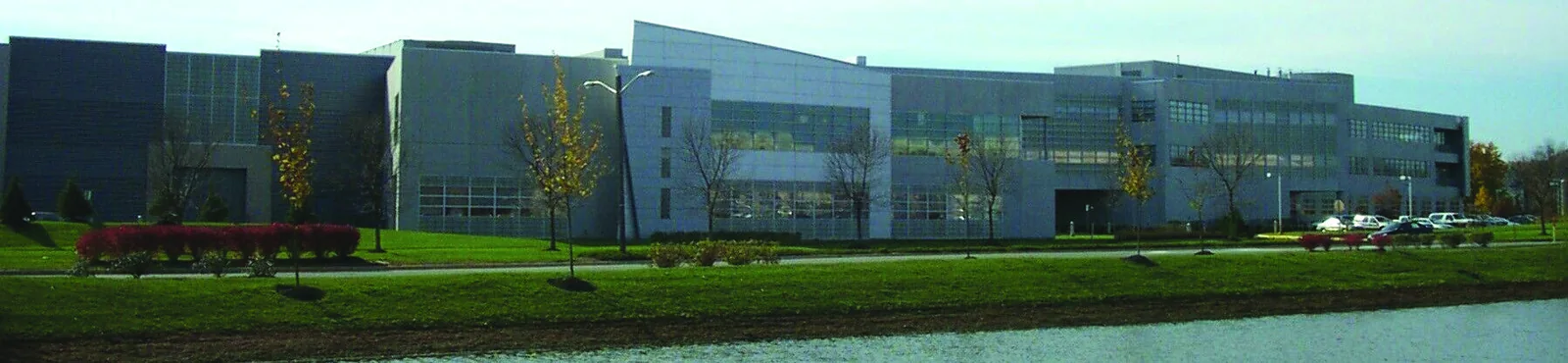
The NFL Films chiller upgrade at the company’s approximately 200,000-square-foot studio complex in Mount Laurel, New Jersey, addressed a critical cooling failure while improving long-term system reliability. The NFL Films chiller upgrade replaced aging equipment with two 450-ton Smardt chillers and contributed to a reported 10–12% reduction in monthly electricity consumption, according to the original project case study.
The Commercial Cooling Challenge
Reliable cooling was essential at the NFL Films facility for both production operations and film preservation. In particular, the site’s film vault required a controlled temperature of 54°F.
However, the facility depended on two aging chillers. When a major equipment failure occurred, the complex lost approximately 60% of its available cooling capacity as summer approached.
The failure created an immediate operational risk. NFL Films needed a solution that could restore dependable cooling while allowing time to evaluate the site’s longer-term equipment needs.
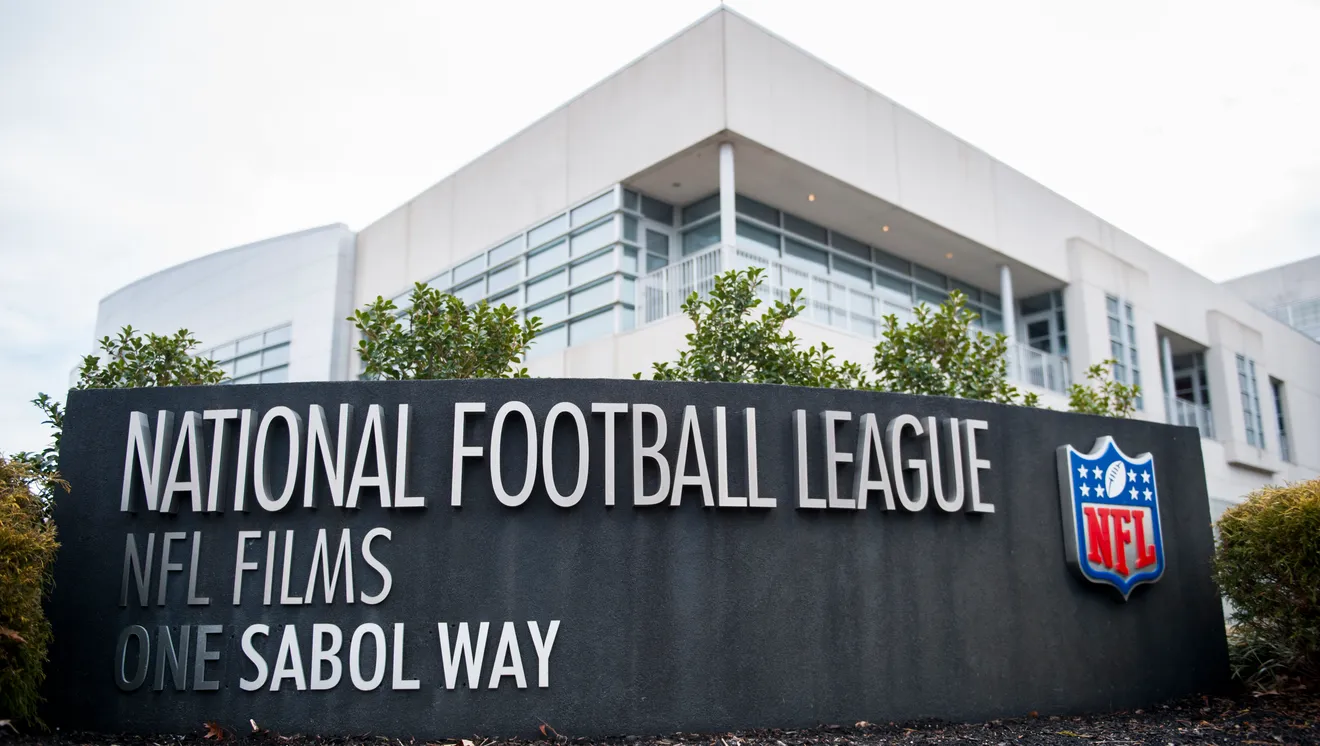
NFL Films facility in Mount Laurel, New Jersey, where The Tustin Group completed the documented commercial chiller upgrade.
The Tustin Group’s Chiller Upgrade Response
The Tustin Group first installed a temporary chiller to help the facility maintain cooling while repair and replacement options were evaluated.
Ultimately, the project replaced both aging chillers with two 450-ton Smardt chillers using oil-free centrifugal compressor technology. The Tustin Group also completed the associated piping and startup work required for the new equipment.
This approach addressed the immediate cooling problem while creating a more reliable long-term mechanical system.
For more information about The Tustin Group’s commercial HVAC capabilities, explore our commercial mechanical services .
A More Resilient Commercial Chiller Configuration
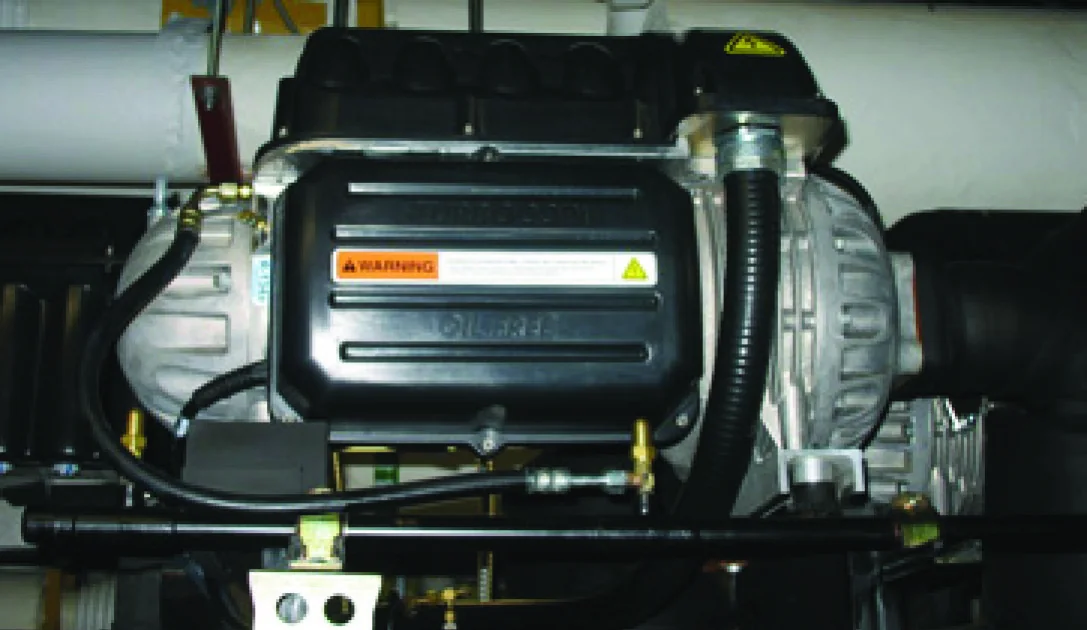
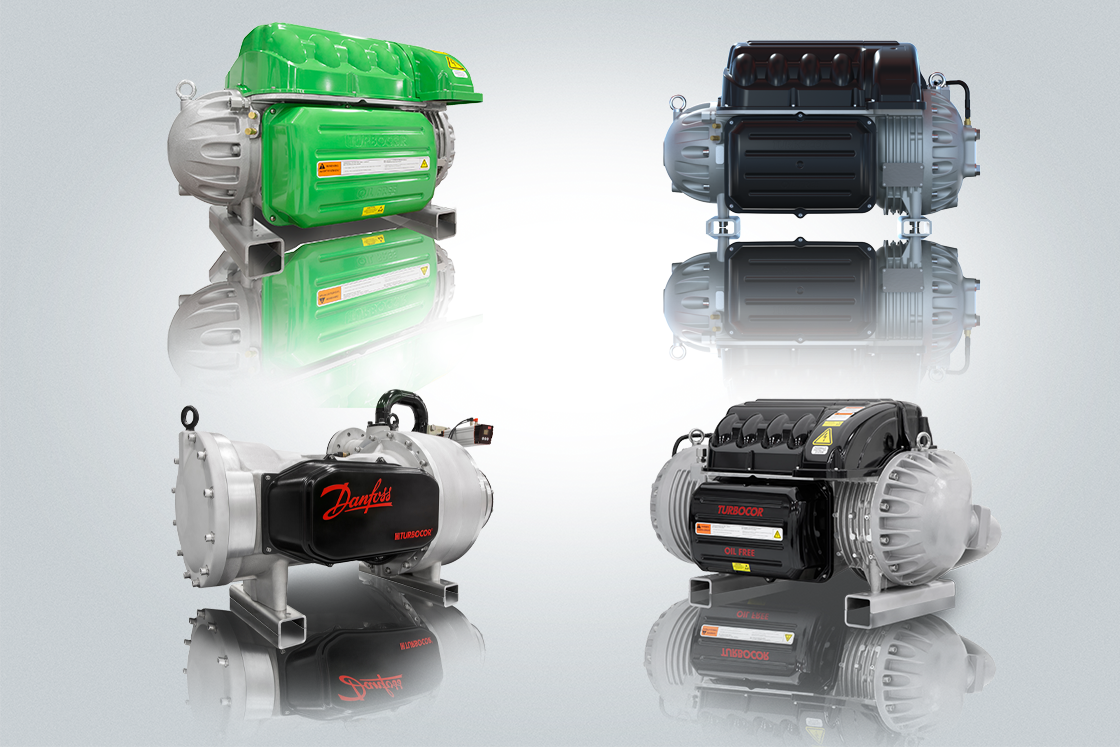
Each new chiller used five Danfoss Turbocor compressors. Therefore, the completed system included ten compressors across the two chillers.
The previous system used four compressors in total.
According to the original case study, the new configuration reduced the percentage of total cooling capacity represented by a single compressor from 25% to 10%.
That added redundancy provided an important operational advantage. A single compressor could be evaluated or serviced while other compressors on the same chiller continued operating.
As a result, the system reduced the facility’s dependence on any one compressor for a significant portion of its cooling capacity.
Building Automation and Remote Chiller Monitoring
The new chillers were also connected to the facility’s building automation system.
This integration provided remote access to equipment performance information and diagnostics. Consequently, facility and service teams gained greater visibility into how the chillers were operating.
Building automation can play an important role in modern mechanical-system management because it connects equipment performance, controls, alarms, operating trends and diagnostics.
The Tustin Group works across interconnected building systems to help commercial facilities improve system visibility, reliability and long-term operational performance.
Explore additional commercial HVAC, building automation, energy and facility-management information in The Tustin Group’s News & Trends resource center.
Reported Energy Results From the NFL Films Chiller Upgrade
According to the original project case study, monthly electricity consumption declined by approximately 10–12% after the replacement chillers were installed.
The source also states that the complex previously used approximately 11 million kWh annually and was projected to use less than 10 million kWh during the year discussed in the case study.
These figures represent historic, customer-reported results from this specific project. They are not presented as guaranteed energy savings or performance results for other commercial facilities.
Actual energy performance can vary based on building size, equipment condition, operating schedules, controls, climate, occupancy, maintenance practices and other site-specific factors.
New Jersey Rebate Eligibility
According to the original source, the project was eligible for a rebate through New Jersey’s SmartStart Buildings program.
Eligibility followed a review of equipment performance data and pre- and post-installation conditions.
However, the original project PDF does not identify a specific rebate amount or confirm the amount ultimately received. Therefore, no rebate value is attributed to the project on this page.
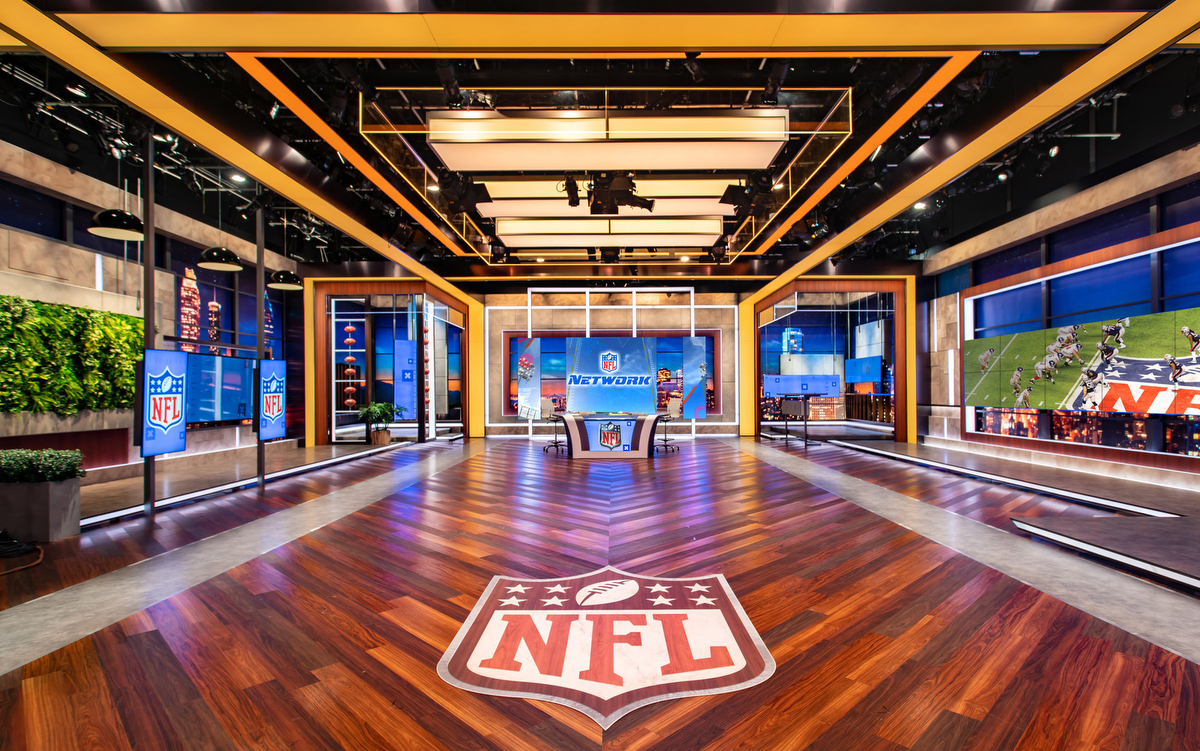
NFL Films production environment, where dependable building systems support ongoing studio operations.
Why Chiller Reliability Matters in Commercial Facilities
Commercial chillers can support some of a facility’s most critical operational requirements.
When cooling capacity is lost, the effect can extend beyond occupant comfort. Production environments, technology spaces, specialized storage areas, healthcare facilities, data centers, laboratories and other temperature-sensitive operations may depend on reliable mechanical systems.
Redundancy, equipment condition, controls integration, maintenance planning and system monitoring can therefore become important parts of a broader commercial cooling strategy.
For facilities that require ongoing mechanical support, learn more about The Tustin Group’s mechanical service agreements .
What Made the NFL Films Chiller Project More Resilient?
The project improved resilience in several ways.
First, The Tustin Group provided temporary cooling following the original failure.
Second, two replacement chillers restored the facility’s permanent cooling infrastructure.
Finally, the ten-compressor configuration reduced the amount of total cooling capacity associated with any one compressor.
Connecting the chillers to the building automation system also provided additional performance visibility and remote diagnostic capabilities.
Together, these improvements created a mechanical configuration designed to provide greater operational flexibility than the previous system.
NFL Films Chiller Upgrade FAQs
Where did The Tustin Group complete the NFL Films chiller project?
The project took place at NFL Films’ approximately 200,000-square-foot studio complex in Mount Laurel, New Jersey.
What equipment did The Tustin Group install?
The project replaced two aging chillers with two 450-ton Smardt chillers using oil-free centrifugal compressor technology.
How many compressors were installed?
Each replacement chiller used five Danfoss Turbocor compressors, creating a total of ten compressors across the two machines.
Why was cooling reliability especially important at NFL Films?
In addition to supporting studio operations, the facility included a film vault that required a maintained temperature of 54°F.
How much electricity did the new chillers save?
The original case study reported a 10–12% reduction in monthly electricity consumption after installation. These are historic, customer-reported results from this project and are not guaranteed results for other facilities.
Were the chillers connected to building automation?
Yes. The replacement chillers were integrated with the facility’s building automation system to support remote performance monitoring and diagnostics.
Did The Tustin Group provide temporary cooling?
Yes. The Tustin Group installed a temporary chiller following the initial equipment failure so the facility could maintain cooling while longer-term options were evaluated.
Planning a Commercial Chiller or Cooling Project?
Commercial cooling projects require more than equipment replacement. Reliability, redundancy, controls, piping, startup, monitoring, maintenance and long-term system performance should all be considered.
For a New Jersey facility, contact our North or South Jersey office to discuss your equipment, operational requirements and project scope.
Whether your facility is evaluating aging chillers, addressing reliability concerns, planning equipment replacement or developing a long-term mechanical service strategy, our team can help assess the next step.