
 Store
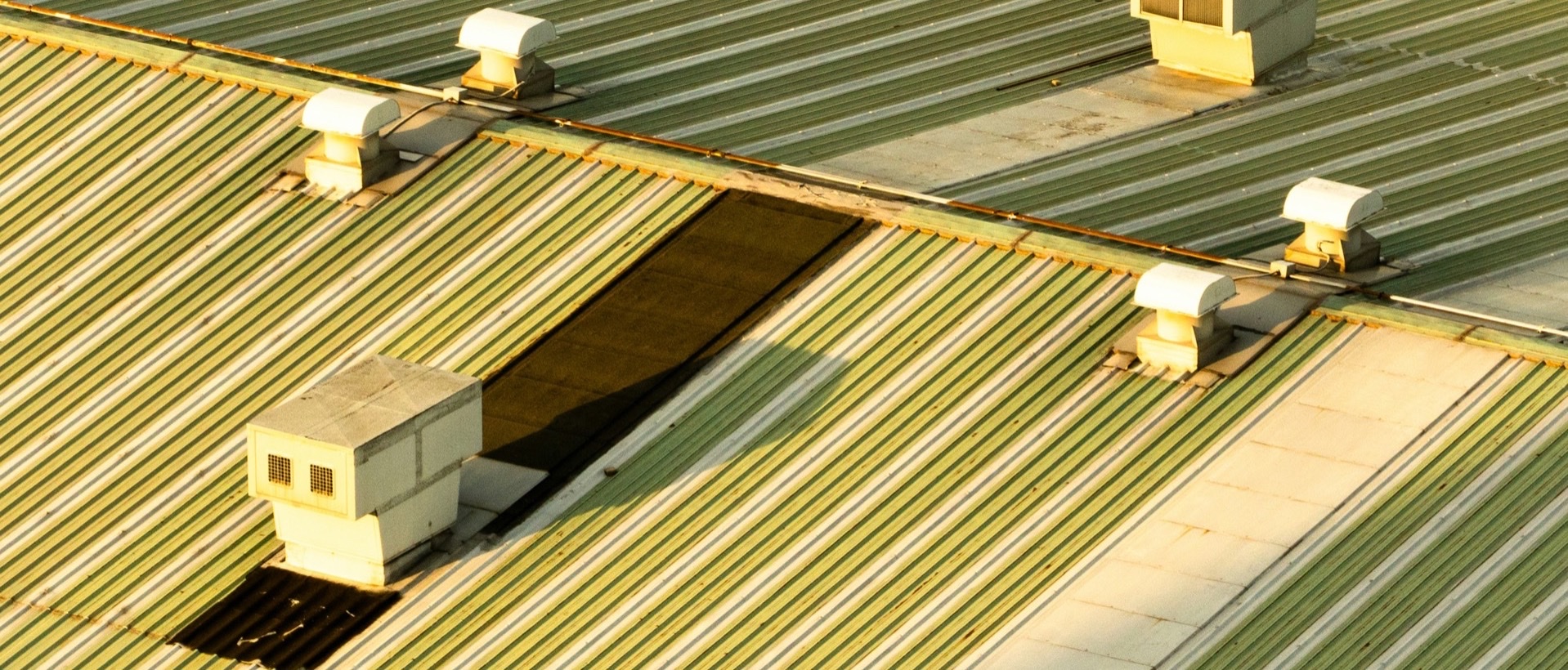
Building automation system examples show how a commercial facility can turn sensor data and equipment status into practical operating decisions. A BAS can schedule equipment, maintain comfort, coordinate ventilation, manage alarms, trend energy, and help technicians find problems. The most useful examples are simple enough for operators to understand and specific enough to measure.
Every building is different. The right sequence depends on occupancy, equipment, climate, operating hours, safety requirements, and the facility team. Use these examples as planning patterns, not as a substitute for a site-specific design.
Building automation system examples: quick answer
Common examples include HVAC scheduling, supply-air reset, static-pressure reset, economizer control, demand response, equipment staging, leak detection, energy metering, alarm management, and fault detection. A BAS connects these functions through sensors, controllers, software, trends, and clear operator workflows.
1. Occupancy-based HVAC scheduling
The system uses schedules, occupancy sensors, access data, or operator input to change HVAC modes. During occupied hours, the building maintains comfort and ventilation. During unoccupied periods, equipment shifts to setback or shutdown while freeze, humidity, security, and critical-space requirements remain protected.
This example works best when staff can adjust exceptions for holidays, events, cleaning, tenants, and early starts. Review runtime and comfort trends after each seasonal change.
2. Supply-air temperature reset
An air-handling unit can adjust supply-air temperature based on zone demand. If most zones need less cooling, the system can reset the supply temperature while maintaining comfort and humidity limits. A reset sequence should protect minimum ventilation, equipment limits, and the zones with the highest demand.
3. Static-pressure reset
A variable air volume system can use the most-open damper or zone demand to reset duct static pressure. The fan then delivers only the pressure needed by the active zones. Trend damper positions, fan speed, pressure, and comfort so the reset does not create noise, poor ventilation, or unstable control.
4. Economizer control
When outdoor conditions are favorable, an economizer may use outdoor air for cooling. The BAS can compare outdoor temperature, enthalpy, humidity, and zone demand before commanding dampers. The sequence should include high-limit protection, minimum outdoor air, mixed-air limits, and a response when a damper fails to track its command.
5. Central plant staging
Multiple chillers, boilers, pumps, or cooling-tower cells can stage according to load, efficiency, runtime, and equipment limits. Lead-lag rotation spreads wear. Minimum run times reduce short cycling. Alarms and trend data show whether the plant meets the intended sequence.
6. Energy metering and dashboards
Submeters can help a facility compare base load, tenant load, process load, and equipment runtime. A useful dashboard shows a small number of trustworthy metrics with a clear owner and action. The U.S. Department of Energy describes building controls as a way to coordinate building systems and support energy management; review its building controls resource for more context.
7. Alarm management and fault detection
Alarm rules can identify a failed sensor, low temperature, high static pressure, abnormal runtime, simultaneous heating and cooling, or a command that does not match feedback. Prioritize alarms by consequence. Then assign who responds, what evidence they review, and what action closes the event.
8. Leak and water monitoring
Water sensors in mechanical rooms, data spaces, and low points can notify staff before a small leak becomes a major interruption. Integrate the status with the BAS only when the signal has a clear response plan. A notification without an owner becomes background noise.
How to choose the right BAS example
- Start with an operational problem that staff can describe.
- Identify the sensors, equipment, and points needed to measure it.
- Write the sequence in plain language before programming.
- Define the alarm, trend, owner, and success metric.
- Commission the sequence in real operating modes.
- Review the trend and adjust setpoints, timing, or equipment as needed.
For broader planning, read The Tustin Group’s building automation system upgrades guide, commercial HVAC service agreement guide, and variable frequency drives article.
Frequently asked questions
What is the best first BAS project?
Choose a project with a clear problem, reliable data, an accountable operator, and a measurable result. Scheduling, alarm cleanup, sensor correction, or a focused HVAC sequence often creates a useful starting point.
Can a BAS save energy automatically?
A BAS can support energy savings, but the result depends on equipment condition, sequence quality, schedules, sensor accuracy, commissioning, and how people operate the building. Measure the outcome instead of assuming it.
Who maintains BAS sequences?
Controls technicians, HVAC technicians, engineers, commissioning providers, and facility operators may share responsibility. The team needs current documentation, backups, training, and a plan for changes.
Turn examples into operating results
A building automation system becomes valuable when it helps people make better decisions every day. Contact The Tustin Group to discuss BAS examples, controls upgrades, commissioning, and integrated building services.
Leave a Reply