 Store
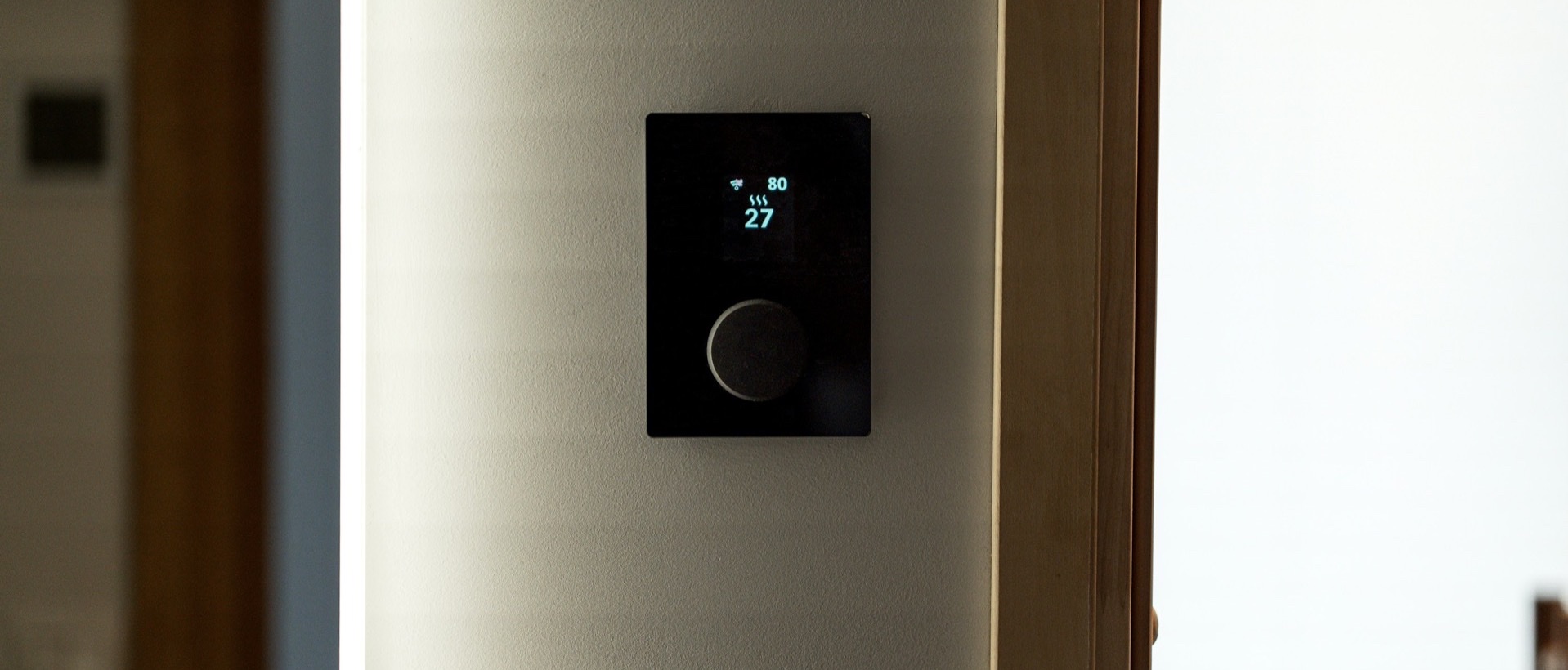
HVAC controls are the sensors, controllers, software, actuators, schedules, and sequences that regulate heating, ventilation, and air conditioning in a commercial building. They help a facility maintain comfort, indoor air quality, equipment safety, and energy performance while giving operators visibility into what the system is doing.
Good controls do more than turn equipment on and off. They respond to temperature, pressure, occupancy, airflow, humidity, outdoor conditions, alarms, and operating schedules. As a result, the building can deliver the required conditions with less waste and fewer avoidable runtime hours.
HVAC controls: quick answer
Commercial HVAC controls typically include thermostats or sensors, control panels, variable frequency drives, valves, dampers, relays, networked controllers, and a building automation interface. The control sequence tells the equipment when to start, how to stage, what setpoints to use, and how to react when conditions change.
What HVAC controls manage
Temperature and comfort
Zone sensors and thermostats report conditions to the controller. The system compares actual temperature with the setpoint, then adjusts heating, cooling, airflow, valves, dampers, or fan speed. Better sequences reduce short cycling and keep zones from fighting each other.
Ventilation and indoor air quality
Controls can coordinate outside-air dampers, supply fans, exhaust fans, carbon-dioxide sensors, filters, and economizer operation. The correct sequence depends on the building, occupancy, climate, equipment, and indoor-air-quality plan.
Equipment protection
Freeze protection, low-temperature cutouts, high-static alarms, smoke control interfaces, low-flow protection, and compressor safeties help protect equipment. Controls can also notify operators when a sensor drifts or a unit runs outside its expected range.
Energy and operating schedules
Schedules, occupancy modes, optimum start, demand response, reset strategies, and variable speed control help equipment match the building load. The U.S. Department of Energy explains that high-performance building controls can reduce HVAC energy use when the system is designed, commissioned, and operated correctly. Review its building controls overview for additional context.
Common HVAC control components
- Sensors: measure temperature, humidity, pressure, flow, occupancy, carbon dioxide, or outdoor conditions.
- Controllers: run the control logic and communicate with other devices.
- Actuators: move dampers and valves to change airflow or water flow.
- Variable frequency drives: adjust motor speed to match demand.
- Networks and gateways: connect equipment, controllers, graphics, alarms, and analytics.
- Supervisory software: gives facility staff schedules, trends, alarms, dashboards, and remote access.
Signs that HVAC controls need attention
Look for simultaneous heating and cooling, zones that never reach setpoint, frequent overrides, drifting sensors, unexplained alarms, fans that run after occupancy, dampers that do not move, or schedules that staff bypass every day. These symptoms can point to poor sequences, failed sensors, incorrect tuning, network issues, or equipment problems.
Start with trend data rather than assumptions. Compare commands with actual feedback, review runtime and alarm history, and verify that sensors represent the conditions the system is intended to control. Then correct the sequence, hardware, or commissioning issue that explains the behavior.
HVAC controls improvement checklist
- Document the current sequence, setpoints, schedules, overrides, and alarms.
- Verify sensor calibration, placement, labels, and trend history.
- Confirm that dampers, valves, actuators, and drives respond to commands.
- Review occupied, unoccupied, warm-up, cool-down, setback, and safety modes.
- Trend supply temperature, zone conditions, static pressure, airflow, and runtime.
- Coordinate controls changes with mechanical equipment and the building automation system.
- Commission the sequence after programming, replacement, or renovation.
For related planning, read The Tustin Group’s commercial HVAC service agreement buyer’s guide, variable frequency drive guide, and building automation system upgrades guide.
Frequently asked questions
Are HVAC controls the same as building automation?
HVAC controls are one part of building automation. A BAS can supervise HVAC while also integrating lighting, metering, access, alarms, water systems, or other building functions.
How often should HVAC controls be reviewed?
Review controls after equipment changes, tenant changes, major schedule changes, comfort complaints, abnormal energy use, or repeated alarms. Many facilities also use regular trend reviews and seasonal commissioning.
Who works on HVAC controls?
Controls technicians, HVAC technicians, engineers, commissioning providers, and facility operators may all contribute. The right team depends on the system’s equipment, network, programming, and service requirements. The Tustin Group also connects skilled technicians with HVAC career opportunities.
Make the controls work for the building
HVAC controls deliver the most value when the sequence matches the equipment, the building, and the people operating it. Contact The Tustin Group to discuss controls troubleshooting, commissioning, automation, or a commercial HVAC service plan.
Leave a Reply