
 Store
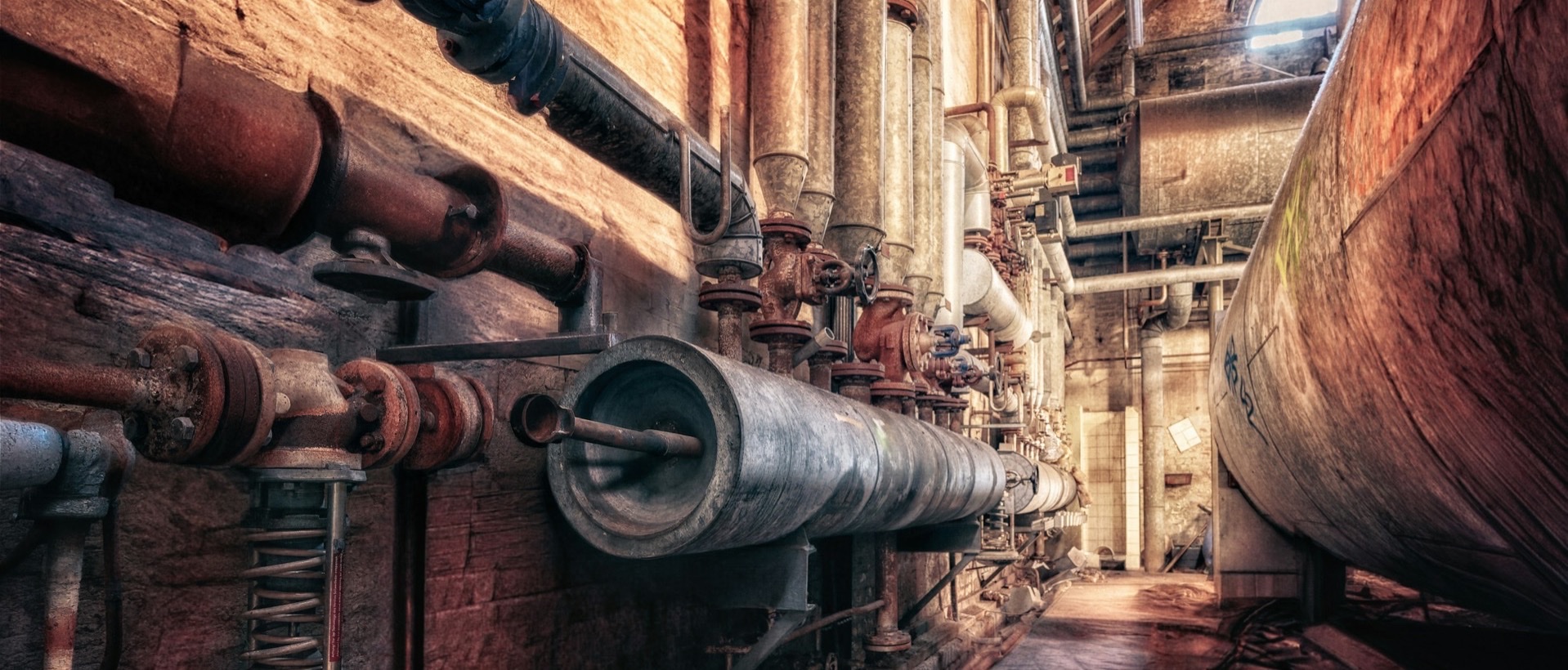
Clean agent fire suppression system protection helps rooms where water, foam, or dry chemical could damage critical equipment, interrupt operations, or create difficult cleanup. These systems use a gaseous agent that reaches the protected space, suppresses the fire, and leaves little or no residue when the system is correctly designed and discharged.
Typical applications include data centers, telecommunications rooms, archives, museums, control rooms, laboratories, and electrical spaces. A clean agent system is not a universal replacement for sprinklers. The right solution depends on the room, fire hazards, occupancy, equipment, ventilation, agent, enclosure, and emergency plan.
Clean agent fire suppression system: quick answer
A clean agent fire suppression system usually includes detection, a releasing control panel, agent cylinders, distribution piping, nozzles, alarms, abort or manual-release controls where applicable, and room-integrity features. When detection confirms a fire, the control sequence can warn occupants, shut down selected equipment or airflow, and release agent into the protected enclosure.
How clean agent protection works
The system detects smoke, heat, or another approved fire signature. The releasing panel evaluates the programmed sequence and activates alarms and pre-discharge notification. After the programmed delay, the agent flows through piping and nozzles. The agent suppresses combustion by absorbing heat, interrupting the chemical reaction, reducing oxygen, or using a combination of mechanisms, depending on the agent.
Because the agent depends on the room concentration, the enclosure matters. Doors, walls, ceilings, cable penetrations, dampers, raised floors, and ventilation systems can change performance. Facility teams should treat room-integrity testing and building modifications as part of the protection program.
Where clean agent systems fit
Data and telecommunications rooms
These rooms often contain high-value electronic equipment and require fast response with limited residue. A clean agent system can work with detection, power controls, environmental monitoring, and an orderly shutdown sequence.
Archives, museums, and records rooms
Paper, artifacts, film, and other irreplaceable materials may need a suppression method that minimizes water damage. The system must still protect occupants first and coordinate with the building’s broader alarm and evacuation plan.
Electrical and control spaces
Electrical rooms, process-control rooms, and critical infrastructure spaces can benefit from a system that reaches concealed equipment. Designers should address energized equipment, ventilation, access, and re-entry procedures.
Key design and maintenance considerations
- Define the protected enclosure and every opening, penetration, door, damper, and raised-floor area.
- Select an agent and concentration appropriate for the hazard, occupancy, equipment, and local requirements.
- Coordinate detection, alarm, release, abort, manual controls, HVAC shutdown, and power controls.
- Keep cylinders, piping, nozzles, panels, and controls accessible and clearly labeled.
- Protect nozzles from obstruction, damage, contamination, and unauthorized changes.
- Test detection, alarms, releasing circuits, supervisory signals, pressure, agent quantity, and room integrity as required.
- Document inspections, maintenance, impairments, modifications, discharge, recharge, and post-event review.
Room changes deserve a formal review. New racks, cable trays, partitions, equipment, ceiling tiles, ventilation changes, or construction penetrations can alter the design. Therefore, ask a qualified fire-protection provider to review any modification before the room returns to service.
Clean agent safety and re-entry
People come first. The system’s alarm and pre-discharge sequence should give occupants time to leave, and the emergency plan should explain what happens after a discharge. Do not enter a discharged room until the responsible team confirms that conditions are safe, the space has been ventilated as required, and the cause of the fire has been addressed.
Use the manufacturer’s instructions and the applicable requirements for the selected agent. A clean agent system still requires inspection, testing, maintenance, trained responders, and a coordinated building fire alarm plan.
Frequently asked questions
Are clean agent systems safe for people?
Safety depends on the agent, design concentration, room, alarm sequence, occupancy, and applicable requirements. The system should provide notification and evacuation controls. A qualified designer must evaluate the specific application.
Do clean agents leave residue?
Many clean agents are selected because they leave little or no residue. However, a fire can still create smoke, soot, heat, and equipment damage. After an event, the facility needs a controlled investigation and recovery plan.
Can a clean agent system replace sprinklers?
Not automatically. The selected protection must match the building’s hazards and approved design. A clean agent system may protect a critical room while sprinklers protect the rest of the building.
Build layered protection
Clean agent systems work best when they are integrated with detection, alarms, room integrity, HVAC controls, maintenance, and emergency planning. Review The Tustin Group’s commercial fire suppression guide, explore Fire Solutions, or contact our team to discuss a critical-space protection plan.
For workplace fire-protection context, review OSHA’s portable fire extinguisher requirements and coordinate the clean-agent design with the facility emergency plan.
Leave a Reply