
 Store
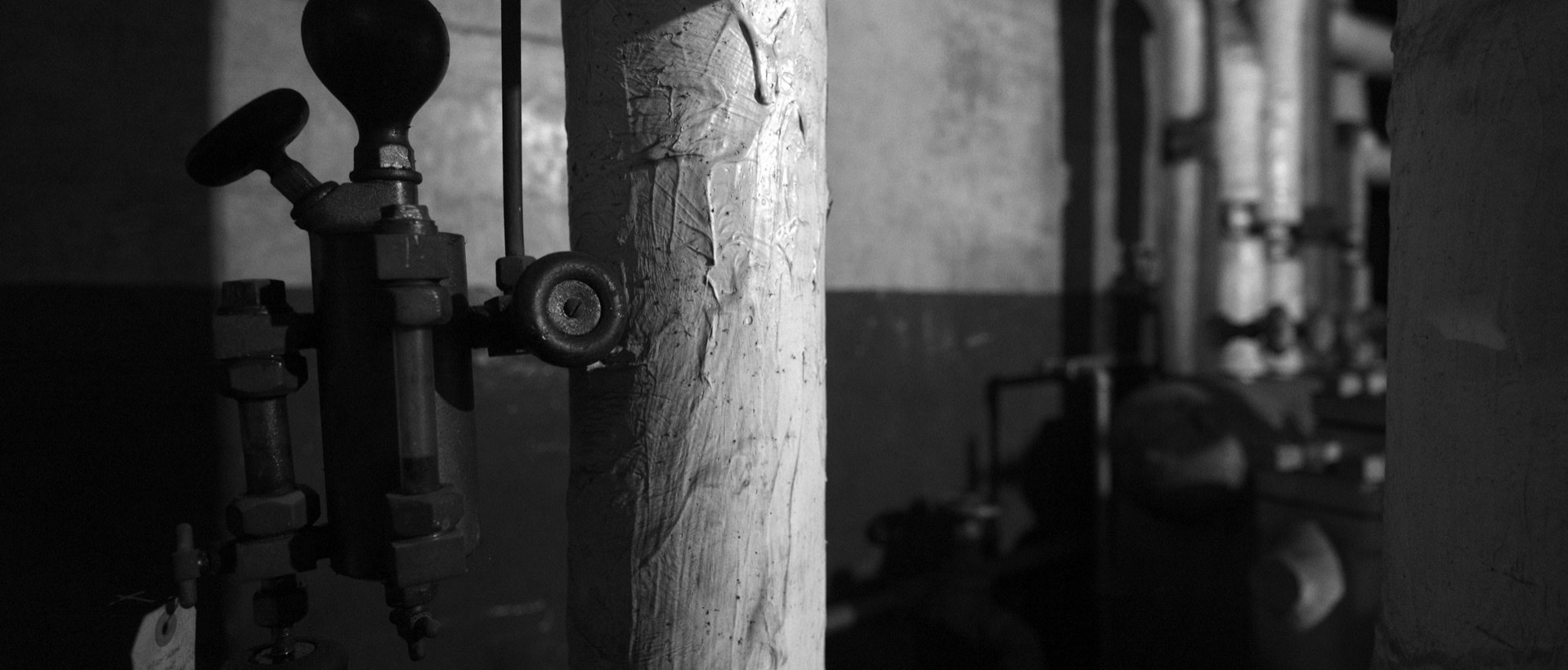
What is a commercial fire sprinkler system? A fire sprinkler system is a water-based network that detects heat and releases water at or near the fire. In a commercial building, the system works with alarms, valves, water supplies, fire pumps, monitoring, and inspection records to control fire growth and protect occupants, property, and business continuity.
Sprinklers are not a substitute for evacuation, fire alarms, portable extinguishers, or a complete fire protection plan. Instead, they form one coordinated layer of protection. Facility managers should involve qualified fire protection professionals when they design, modify, inspect, test, or impair a system.
Commercial fire sprinkler systems: quick answer
A commercial fire sprinkler system typically includes sprinkler heads, piping, control valves, a water supply, alarm or supervisory devices, and a means of testing the system. The right design depends on the building’s occupancy, construction, storage, ceiling height, temperature, water supply, and fire hazards.
How a fire sprinkler system works
Each sprinkler head responds to heat at its own location. When the operating temperature is reached, the element opens and water flows through that sprinkler. The flow starts an alarm or monitoring signal while the water pattern controls the fire below. Because only sprinklers exposed to enough heat open, the system can limit water discharge compared with a response that releases water everywhere.
Meanwhile, the control valve assembly manages the water path. A backflow preventer, alarm check valve, flow switch, tamper switch, test connection, and fire department connection may support the system. A fire pump or water storage arrangement may be necessary when the public supply cannot provide the required pressure or flow.
Common types of commercial sprinkler systems
Wet-pipe systems
Wet-pipe systems keep water in the piping. They are common in conditioned commercial spaces because they respond quickly and have a relatively simple operating design. However, they require protection from freezing temperatures.
Dry-pipe systems
Dry-pipe systems hold pressurized air or nitrogen in the piping until a sprinkler opens. Then the valve releases water into the system. These systems suit areas where freezing is possible, such as loading docks, parking garages, and unheated warehouses.
Preaction systems
Preaction systems use a detection or releasing sequence before water enters the piping. They can suit spaces that need extra protection against accidental water release, including data rooms, archives, and sensitive manufacturing areas. The sequence requires careful design, testing, and coordination.
Deluge systems
Deluge systems use open sprinklers or nozzles and a detection system to release water across a defined area. They are intended for high-hazard applications where fire can grow quickly. A qualified designer must match the system to the hazard and water demand.
Where commercial sprinkler systems matter most
Sprinkler design should reflect the actual risk, not just the building label. Warehouses may need a design for high-piled storage, rack arrangement, packaging, and changing inventory. Kitchens, laboratories, healthcare facilities, manufacturing spaces, and parking areas each create different challenges.
Renovations can also change the system. New partitions, suspended ceilings, lighting, ductwork, racks, cold rooms, and equipment can obstruct sprinkler discharge or alter the hazard classification. Before work begins, review the plans and coordinate any required modifications, shutdowns, notifications, and fire watch procedures.
Inspection, testing, and maintenance checklist
- Keep control valves open, secured, accessible, and identified.
- Check that sprinkler heads are not painted, damaged, corroded, obstructed, or used to support equipment.
- Maintain required clearance below sprinklers and keep storage layouts consistent with the approved design.
- Test waterflow alarms, supervisory signals, pumps, tanks, and related equipment on the required schedule.
- Document deficiencies, corrective actions, impairments, retesting, and notifications.
- Coordinate qualified inspection and testing with the building’s fire protection plan.
For a closer look at service documentation, read The Tustin Group’s commercial fire sprinkler inspection guide. You can also review our commercial fire suppression systems guide for the broader protection picture.
What to ask before installing or modifying a system
- What hazards, occupancy uses, storage arrangements, and future changes must the system address?
- Can the existing water supply meet the required flow and pressure?
- Will the work affect alarms, monitoring, fire department connections, or emergency access?
- What permits, drawings, inspections, notifications, and acceptance tests apply?
- How will the team protect the building while the system is impaired?
Frequently asked questions
Do all sprinklers activate at once?
No. In a standard automatic sprinkler arrangement, individual sprinklers respond to heat at their locations. The number that opens depends on fire growth, ceiling conditions, system design, and the time required to control the fire.
Can a sprinkler system replace a fire alarm?
No. Sprinklers and alarms perform different jobs. Sprinklers control heat and fire growth, while alarms notify occupants and responders. A commercial fire protection plan should coordinate both systems.
What happens when a sprinkler system is shut down?
The responsible team should follow an impairment plan that identifies the affected area, notifies stakeholders, limits ignition hazards, provides temporary precautions, and restores the system promptly. Never disable fire protection equipment without a controlled plan.
Plan reliable fire protection
The Tustin Group helps commercial building owners and facility teams coordinate fire and life safety services, inspections, and maintenance. Explore our Fire Solutions or contact our team to discuss a sprinkler system, inspection program, or planned renovation.
Leave a Reply