
 Store
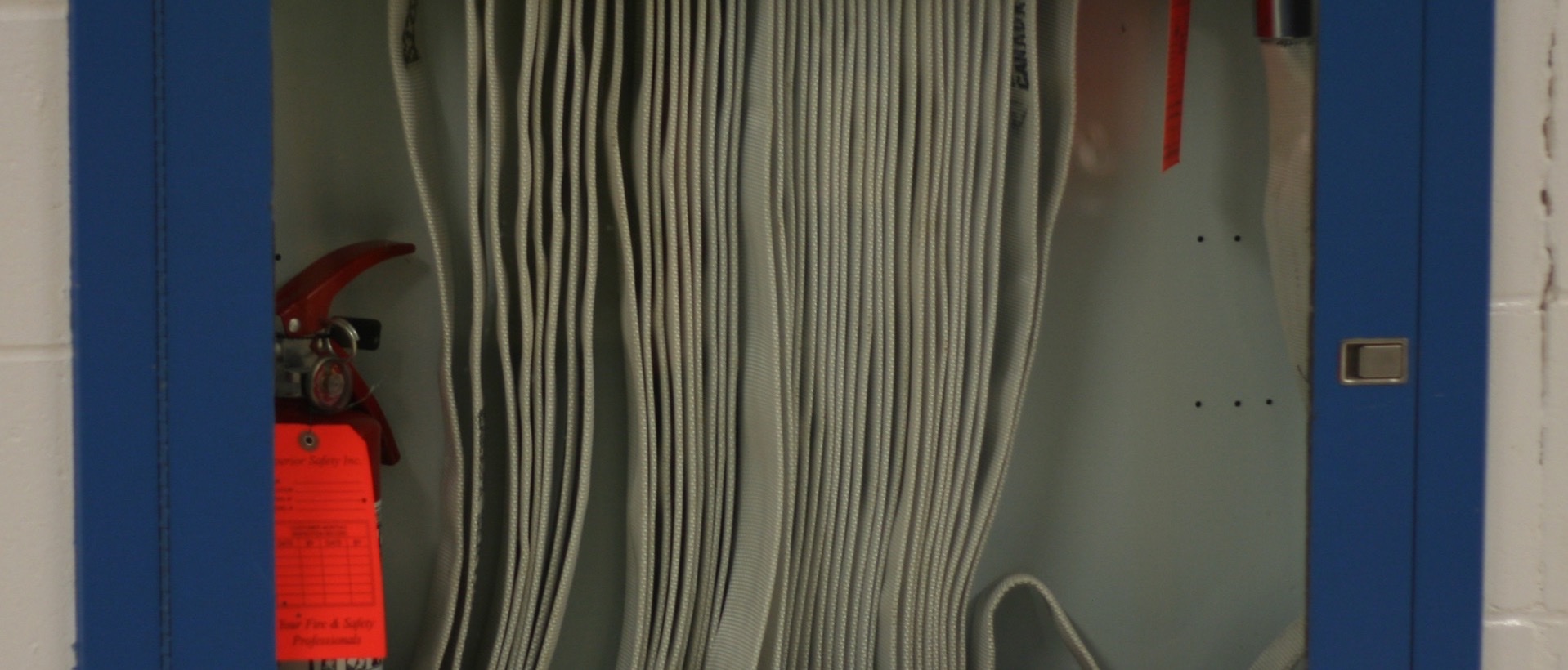
What is a fire extinguisher class? It is a designation that identifies the type of fuel a fire involves and helps people choose the correct extinguishing agent. In commercial buildings, the most common classes are A, B, C, D, and K.
Fire extinguisher classes are not a substitute for a site-specific hazard assessment. Facility teams should match extinguisher ratings, placement, inspection, training, and emergency procedures to the building’s actual risks.
Fire extinguisher classes at a glance
| Class | Fuel involved | Common examples |
|---|---|---|
| Class A | Ordinary combustibles | Wood, paper, cardboard, cloth, and many plastics |
| Class B | Flammable liquids and gases | Gasoline, solvents, oils, paints, and some gases |
| Class C | Energized electrical equipment | Panels, motors, computers, appliances, and wiring |
| Class D | Combustible metals | Magnesium, titanium, sodium, and other reactive metals |
| Class K | Commercial cooking oils and fats | Deep fryers and commercial kitchen cooking equipment |
What is a Class A fire extinguisher used for?
A Class A fire extinguisher is used for ordinary combustible materials such as wood, paper, cardboard, cloth, furnishings, pallets, and many common plastics. These fuels are common in offices, warehouses, schools, healthcare facilities, retail spaces, and manufacturing areas.
Water and multipurpose ABC dry chemical extinguishers are commonly associated with Class A hazards, but the label and rating must always be checked. Never assume that one extinguisher is appropriate for every hazard in a room.
Read our Class A fire extinguisher guide for examples, risks, and selection considerations.
What is a Class B fire extinguisher used for?
Class B fires involve flammable liquids and gases. Examples include gasoline, diesel, solvents, paints, adhesives, oils, and certain gases. A Class B-rated extinguisher uses an agent designed to interrupt the fire without spreading the fuel.
Commercial facilities should control ignition sources, store flammable liquids correctly, keep containers closed, and maintain clear access to rated equipment. Water is generally not the right response for a flammable-liquid fire.
What is a Class C fire extinguisher used for?
Class C fires involve energized electrical equipment. A Class C rating indicates that the extinguisher is suitable for use where electrical current is present. Dry chemical, carbon dioxide, and clean-agent units may be used depending on the equipment and surrounding hazards.
If it is safe to do so, disconnecting power can change the hazard classification, but employees should never take unnecessary risks or delay evacuation to reach a disconnect.
What is a Class D fire extinguisher used for?
Class D fires involve combustible metals such as magnesium, titanium, sodium, potassium, or aluminum powders. These fires require specialized agents selected for the specific metal. Ordinary water or a general-purpose extinguisher can make some metal fires more dangerous.
Manufacturers and qualified fire-protection professionals should guide equipment selection, storage, and response planning in areas where combustible metals are present.
What is a Class K fire extinguisher used for?
Class K fires involve cooking oils and fats in commercial kitchens, especially deep fryers. Wet-chemical Class K extinguishers are designed for these high-temperature cooking hazards and can help prevent re-ignition when used correctly.
Commercial kitchens also need hood suppression systems, proper cleaning, employee training, and clear emergency procedures. A portable extinguisher is only one part of the protection plan.
How to choose the right fire extinguisher class
- Identify the fuels and processes in each area.
- Review the extinguisher label and rating before installation or use.
- Account for mixed hazards such as electrical equipment near cardboard or flammable liquids.
- Keep equipment visible, accessible, correctly mounted, and inspected.
- Train employees on alarm activation, evacuation, and when extinguisher use is appropriate.
The Tustin Group can help facility teams review fire-protection coverage, inspection requirements, and maintenance planning through our commercial fire protection services.
Frequently asked questions
Can an ABC extinguisher be used on every fire?
No. ABC extinguishers cover many ordinary combustible, flammable-liquid, and energized-electrical hazards, but they are not a universal answer for combustible metals or commercial cooking oils.
Where can I find the extinguisher class?
Look at the label and rating printed on the extinguisher. If the hazard is unclear or the equipment is damaged, contact a qualified fire-protection provider.
What should employees do first during a fire?
Raise the alarm, call emergency services, follow the building’s emergency action plan, and evacuate unless the fire is small, contained, the right extinguisher is immediately available, and the employee is trained.
Build a complete commercial fire-safety plan
Understanding what fire extinguisher classes mean is an important part of facility planning. Use the OSHA emergency action plan guidance with your site-specific procedures, inspections, training, and accountability process.
Contact The Tustin Group to discuss fire-protection support for your commercial facility.
Leave a Reply